With energy costs rising and regulation tightening, decarbonisation in residential blocks is no longer a compliance question it’s a strategic one.
Future Group’s Jamie Willsdon argues the case for treating it as an investment, not an expense.
For managing agents and freeholders, decarbonisation is often framed as a compliance challenge – driven by legislation, net zero targets and increasing scrutiny on building performance.
But a more compelling narrative is emerging across residential blocks: done well, decarbonisation isn’t just a cost it’s a route to long-term savings, asset resilience and value protection.
In an environment defined by rising energy costs, evolving regulation and growing resident expectations, the focus is shifting from reactive spend to strategic investment.
The Cost of Standing Still
Many residential buildings continue to operate with outdated infrastructure – inefficient lighting, ageing electrical systems and limited on-site energy generation.
The result is predictable:
- Higher communal energy bills
- Increased maintenance costs
- Greater exposure to future compliance risk
In this context, doing nothing is no longer the low-cost option it is, increasingly, the most expensive one. With Minimum Energy Efficiency Standards (MEES) tightening and communal energy costs still well above pre-2022 levels, the cost of inaction compounds year on year.
LED Lighting: Immediate Savings, Long-Term Impact
Lighting upgrades remain one of the most accessible ways to reduce both carbon and cost.
By replacing legacy systems with LED lighting and smart controls, residential blocks can typically reduce communal lighting energy consumption by 50–70 per cent compared with older fluorescent or halogen installations. In practice, this translates into lower service charges and reduced maintenance cycles, thanks to longer-lasting fittings.
For managing agents balancing budgets and resident expectations, lighting retrofits often provide a clear and immediate return on investment, while also forming the foundation of a wider decarbonisation strategy.
Solar PV: Protecting Against Energy Volatility
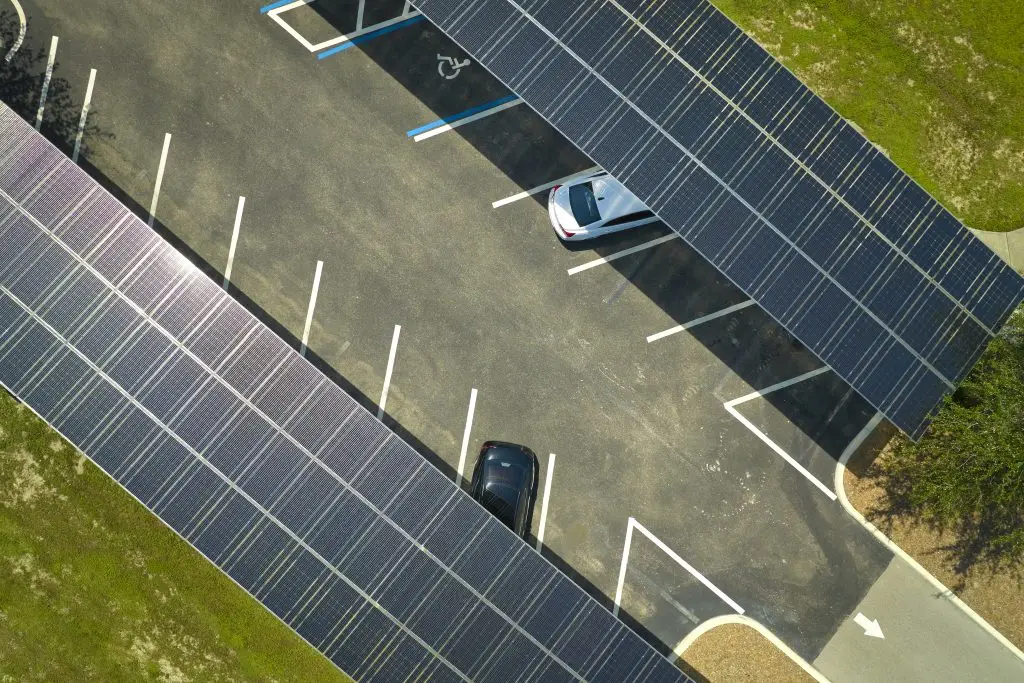
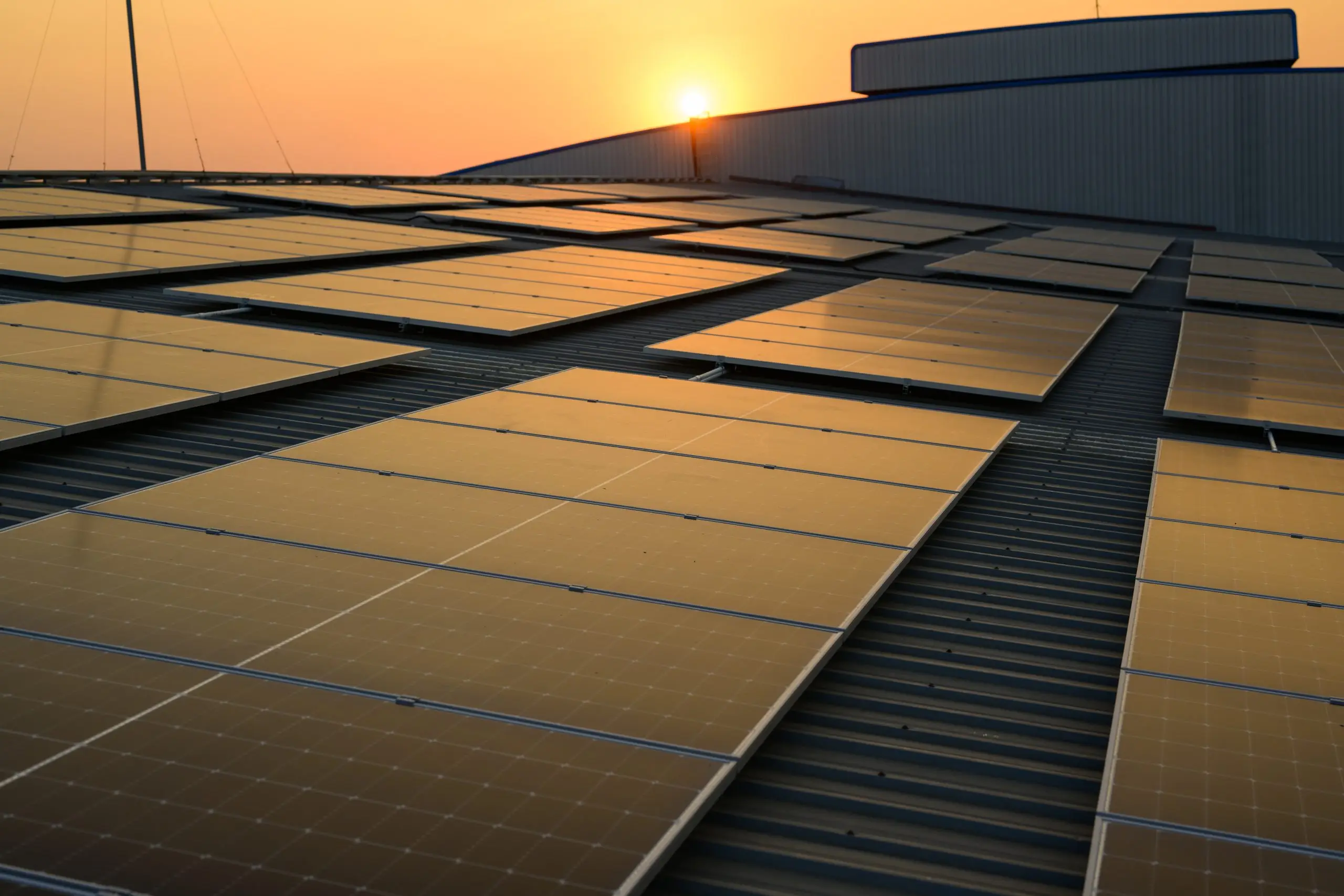
With energy prices continuing to fluctuate, solar PV offers a practical way to stabilise long-term costs.
Generating electricity on-site allows residential buildings to reduce reliance on the grid and mitigate exposure to price increases. With the right metering and billing arrangements in place, savings can flow through to communal service charges and, where applicable, individual leaseholders improving the building’s overall energy profile in the process.
When designed well, solar systems can integrate with other building technologies, supporting communal demand and enhancing overall efficiency.
EV Infrastructure: Investing in the Inevitable
The transition to electric vehicles is accelerating, and residential blocks are expected to keep pace. With the UK’s 2035 deadline for new petrol and diesel vehicle sales firmly in view, leaseholder demand for charging provision is only going one way.
However, retrofitting EV charging infrastructure without a long-term plan can lead to costly upgrades later. Electrical capacity constraints, load balancing and lithium-ion fire safety considerations all need to be addressed from the outset. Where charge points are installed in covered car parks or beneath residential buildings, fire detection, suppression and ventilation strategies must be designed in, not bolted on.
A strategic approach ensures that buildings are not only compliant today but capable of meeting future demand without repeated disruption or expense.
Fire Safety and Security: Essential, Not Separate
In today’s regulatory environment, fire safety and security are non-negotiable. But they should not sit outside the decarbonisation conversation.
Modern systems are increasingly energy-efficient and can be integrated with wider building infrastructure. Addressable fire alarm panels and IP-based CCTV systems, for example, consume a fraction of the energy of legacy equivalents and can share network infrastructure, reducing both running costs and the disruption of separate cabling works.
When delivered as part of a coordinated strategy, these systems enhance safety while supporting operational efficiency and crucially, avoid the duplication of works that drives up cost and disruption when upgrades are tackled in isolation.
Major Works: Aligning Spend with Strategy
Major works programmes represent one of the most significant financial commitments for residential blocks. They also present a critical opportunity.
Rather than treating sustainability as an add-on, forward-thinking managing agents are using planned works to embed decarbonisation into the fabric of the building: upgrading systems, improving efficiency and reducing future operational costs.
Section 20 consultation cycles, while sometimes seen as a hurdle, can in fact be the ideal moment to bring leaseholders into the decarbonisation conversation early building consensus before spend, and ensuring that major works deliver more than the sum of their parts.
This approach transforms major works from a necessary expense into a long-term investment in the building’s performance and value.
Building Resilience for the Long Term
Decarbonisation is ultimately about preparing buildings for the future, one defined by stricter regulation, higher energy costs and more informed residents.
Resilient buildings are those that operate efficiently today, adapt to new technologies tomorrow, meet evolving compliance requirements as they emerge, and deliver sustainable, long-term cost control across the life of the asset.
Achieving this requires more than individual upgrades. It demands a joined-up approach that considers how systems interact over time and how decisions made today will shape costs, compliance and resident experience for decades.
Delivering Savings Through Integration
This is where delivery becomes critical.
At Future Group, we focus on helping managing agents and freeholders move beyond fragmented upgrades toward fully integrated solutions. By combining expertise across LED lighting, solar PV, EV infrastructure, fire safety, security systems and major works, projects can be delivered more efficiently and with greater long-term impact.
The benefit is not just carbon reduction. It is measurable cost savings, reduced operational risk and buildings that are prepared for the demands of a rapidly changing landscape.
A Shift in Mindset
The conversation around net zero in residential blocks is evolving.
It is no longer simply about meeting targets or responding to regulation. It is about making smarter decisions today that reduce costs tomorrow while ensuring buildings remain safe, compliant and fit for purpose.
For managing agents and asset owners, the opportunity is clear.
Decarbonisation isn’t just an environmental necessity. It’s a financial one. And increasingly, an operational one too.